

Rubbish clearance SE11 near Lambeth Palace made easy
Posted on 29/04/2026
If you live, work, or manage property in SE11 near Lambeth Palace, rubbish can build up faster than you expect. One box becomes a stack, then a hallway becomes a storage zone, and suddenly the job feels bigger than it should. The good news? Rubbish clearance SE11 near Lambeth Palace made easy is not about drama or disruption. It is about a straightforward, well-planned removal process that helps you clear space without turning your week upside down.
Whether you are dealing with a flat clearance, garden waste, builders' debris, old furniture, or a business cleanout, the right approach saves time and keeps things safe. It also helps you avoid common mistakes like overfilling a vehicle, mixing waste types, or leaving recyclable items in the wrong pile. Truth be told, a calm plan beats a last-minute rush almost every time.
In this guide, you will find a practical breakdown of how rubbish clearance works in this part of Lambeth, what to expect, how to choose the right service, and how to keep the process tidy, compliant, and cost-effective. You will also see where related services fit in, including waste clearance in Lambeth, rubbish collection in Lambeth, and specialist support such as house clearance in Lambeth.
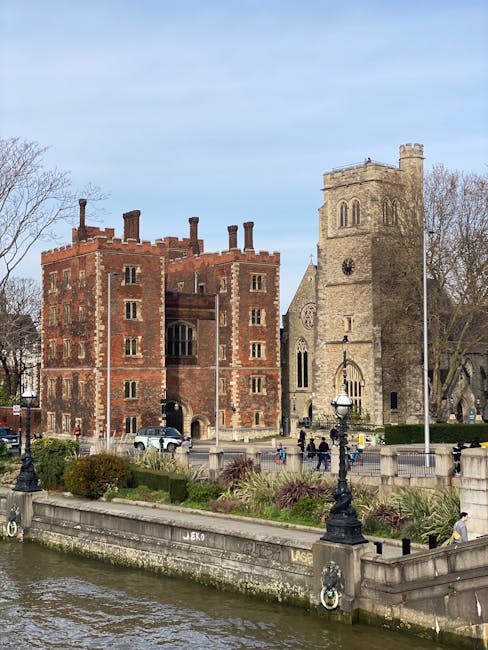
Why Rubbish clearance SE11 near Lambeth Palace made easy Matters
SE11 is a busy, layered part of London. You have residential streets, period properties, flats with awkward access, office spaces, and a steady flow of people moving in, moving out, renovating, or simply trying to keep on top of life. Near Lambeth Palace, access can be slightly tighter than you might expect, and parking can be a consideration, especially if a clearance needs loading space or timed arrival. That makes a simple, organised approach especially useful.
Rubbish clearance matters because clutter is not just visually annoying. It can slow down a move, create trip hazards, attract pests, and make a home or workplace feel cramped. In a London property, space is valuable. Every spare corner counts. A clear room can feel like a deep breath, especially after weeks of boxes, broken bits, and the usual "I will deal with it later" pile. We have all seen that pile.
For landlords and property sellers, clearance can also support presentation. A vacant flat or house looks far better when it is empty, clean, and ready for viewings or refurbishment. If that is your situation, it may also be worth reading how to sell property efficiently in Lambeth and guidance on real estate purchases in Lambeth, because timing clearance around a sale or purchase often saves hassle later.
Local relevance matters too. A service that understands SE11 streets, local access challenges, and the expectations of nearby residents is usually easier to work with. Less waiting around. Less uncertainty. More getting on with it.
How Rubbish clearance SE11 near Lambeth Palace made easy Works
At its simplest, rubbish clearance is the removal of unwanted items from your property, followed by sorting, transport, and responsible disposal or recycling. The process can be as small as a single bulky item or as large as a full property clearout. The exact flow depends on the job, but the main stages are similar.
1. Initial enquiry and description
You explain what needs removing, roughly how much there is, and where it is located. A good provider will want to know whether the waste includes general rubbish, furniture, white goods, garden waste, builders' debris, or anything that needs special handling. The more accurate your description, the easier it is to give a sensible quote.
2. Quotation and timing
For smaller jobs, a quick estimate may be possible from photos. For larger or mixed clearances, a more detailed assessment makes sense. Many people like the certainty of a fixed price where possible. You can explore the provider's pricing and quotes page to understand how estimates are typically handled and what details matter.
3. Arrival and assessment on site
Once on site, the team will usually confirm what is being removed and check access. This is where practical details matter: stairs, narrow hallways, lift access, parking distance, and whether items need to be dismantled. In a place like SE11, that quick assessment can make the whole job smoother.
4. Sorting and loading
Items are separated where needed. Reusable furniture may be set aside, recyclable material grouped, and non-recyclable waste loaded safely. Careful handling matters here. A rushed lift of a heavy wardrobe or a stack of builder's rubble can create avoidable damage. Nobody wants a chipped wall or a scratched floor on top of everything else.
5. Disposal, recycling, and documentation
Responsible clearance does not end when the truck drives away. Materials should be taken to the correct facility, with recyclable waste diverted where possible. For certain jobs, especially commercial or larger domestic clearances, records or confirmation may be useful. If you care about sustainability, you may want to review the company's recycling and sustainability approach.
For broader service planning, the services overview page is a useful starting point if you are comparing clearance options.
Key Benefits and Practical Advantages
The obvious benefit is a clear space. But there is more going on than that. A well-run clearance can genuinely reduce stress, save time, and stop a small task from becoming a long, messy one.
- Speed: Items can often be removed in a single visit, which is especially useful if you are on a deadline.
- Convenience: You avoid multiple trips to a recycling centre or tip.
- Safer handling: Heavy or awkward items are moved by people used to doing the lifting.
- Better sorting: Usable items and recyclables can be separated more effectively.
- Less disruption: A professional team can work around stairs, shared entrances, and residential access more efficiently.
- Cleaner finish: Once the waste is gone, the room can be cleaned, decorated, let, or used properly again.
There is also a subtle mental benefit. A cleared room often changes how a whole property feels. A spare bedroom suddenly becomes a bedroom again. A crowded office starts to look manageable. Even a neglected loft can feel oddly lighter once it is emptied out. Small thing, big impact.
If you are comparing one-off clearance with ongoing collection, it helps to look at the job type first. A periodic business may prefer rubbish collection in Lambeth, while a one-time clearout may be better suited to a fuller waste clearance service.
Who This Is For and When It Makes Sense
This kind of service is useful for a wide range of people. If the list seems broad, that is because rubbish builds up in all sorts of normal life situations. No judgement.
Homeowners and tenants
Maybe you are moving out, redecorating, or finally dealing with the stuff in the spare room. A cluttered flat near Lambeth Palace can become hard to navigate quickly, especially when hallways are narrow and furniture is bulky.
Landlords and letting agents
End-of-tenancy clearances often involve a mix of abandoned items, broken furniture, and general rubbish. Quick turnaround is important, especially if the property needs to be photographed, cleaned, or repaired before re-letting.
Property sellers
A clear home often photographs better and shows better. If you are preparing a sale, a removal job can support your wider plan. That is why some readers also look at efficient property sale advice for Lambeth alongside clearance planning.
Businesses and offices
Office clearance can involve desks, shelving, archived paper, old monitors, and general junk that has built up over time. If your workspace is in or around SE11, a neat removal process is especially useful because downtime matters. You may also find office clearance in Lambeth relevant.
Builders, renovators, and trades
After a refurb, waste can include timber offcuts, plasterboard, tiles, packaging, and mixed debris. That sort of load is usually best handled through builders' waste disposal in Lambeth, where the sorting and disposal side is handled properly.
Garden and loft clear-outs
Garden rubbish and loft clutter often sneak up on people because they are out of sight. Then suddenly there are bags, broken planters, old tools, and boxes of forgotten things. If that sounds familiar, garden waste removal or loft clearance may be the most practical route.
Step-by-Step Guidance
Here is a simple way to approach the job without overcomplicating it. It works for most domestic and light commercial clearances.
- Walk through the space. Make a room-by-room list. Do not rely on memory alone. That is where surprises appear.
- Separate what stays, what goes, and what needs checking. Keep personal documents, valuables, and sentimental items aside before anyone starts loading.
- Take photos. Wide shots are helpful for pricing and planning, especially for awkward access or mixed waste.
- Check access details. Stairs, parking restrictions, lift size, and loading time all matter. Near Lambeth Palace, this can save real time on the day.
- Ask about item types. Furniture, fridges, mattresses, electricals, and builders' waste may each affect the method.
- Book the clearance. Pick a time that gives you room to prepare. Rushing tends to create mess.
- Prepare the space. Move small personal items away, clear a path to the items being removed, and keep pets or children safely out of the way.
- Confirm the final scope before loading. If extra items appear, say so early. It is easier to adjust before the truck is full.
- Check the area afterwards. A quick look around helps make sure nothing was missed.
- Keep your paperwork or receipt. Useful for landlords, agents, business records, or your own peace of mind.
A tiny but practical tip: if you are clearing a room in the early morning, open a window first. It sounds small, but fresh air and a bit of daylight make the whole task feel less heavy. The room looks different right away.
Expert Tips for Better Results
If you want the job to go smoothly, a little preparation goes a long way. Here are the things that tend to make the biggest difference.
Photograph the waste before booking
Good photos help with quoting and planning. Try to show the size of the items, not just close-ups. If there is a large pile, take one image from each angle.
Group similar waste together
Keep wood with wood, metal with metal, and household rubbish in one area if you can. That helps speed up loading and sorting. Mixed piles are manageable, but neat piles are easier.
Check for hidden items
Drawers, cupboards, and under-bed storage often hide extra bits. A provider can only quote on what they can see, and a forgotten pile can change the job. Happens all the time.
Keep an eye on access routes
Hallway corners, communal entrances, and basement stairs can be tight in SE11. Protecting walls and floors matters, especially in older buildings with narrow turns.
Plan around neighbours if needed
In shared buildings, a quiet and efficient removal is a kindness. Let neighbours know if large items will be moved through communal space. A little courtesy avoids awkwardness later.
Think about reuse first
Some items may be suitable for donation, resale, or reuse, depending on condition. If not, recycling may still be possible. This is one reason to work with a provider who takes sustainability seriously.
If you are interested in broader company standards, about us and insurance and safety pages are worth a look before booking anything important.

Common Mistakes to Avoid
Most clearance problems are predictable. The good news is they are also avoidable.
- Leaving the sort-out until the last minute. That is how valuables get mixed in with junk.
- Underestimating access issues. A job that seems straightforward on paper can become awkward if the vehicle cannot get close.
- Not checking what is accepted. Some materials need special handling, and some items are not treated like ordinary rubbish.
- Booking only on price. Cheap can become expensive if the service is vague, delayed, or poorly organised.
- Forgetting disposal responsibility. If rubbish is handed to the wrong person, it can still come back to the original owner in practical or legal trouble. Not ideal.
- Mixing sentimental items with waste. The number of times someone discovers a photo album in a "throwaway" box... well, more than once.
One more thing: avoid assuming all clearances are the same. A loft clearance, for example, is different from furniture disposal or office clearance. Matching the service to the job saves both time and money. Sometimes the obvious choice is not the right one.
Tools, Resources and Recommendations
You do not need special equipment for every job, but a few useful tools and resources make things easier.
- Mobile phone camera: Essential for photos, quotes, and checking what was removed.
- Labels or sticky notes: Great for marking items to keep, donate, or remove.
- Strong bin bags and boxes: Helpful for smaller loose items.
- Gloves and sturdy footwear: Useful if you are doing any sorting yourself.
- Tape measure: Handy when checking whether furniture will fit through doors or down stairwells.
- Building access notes: Especially helpful in flats and managed properties.
For service planning, a few resources on the site are especially useful: the pricing and quotes guide for budget planning, payment and security for confidence around transactions, and terms and conditions for understanding how bookings are handled.
If you are organising a bigger transition, such as a sale, purchase, move, or refurbishment, the local blog content can help you see the bigger picture. For example, a closer look at Lambeth's character or resident advice on living in Lambeth may give helpful local context. Not essential, but useful.
Law, Compliance, Standards, or Best Practice
Waste disposal in the UK should be handled responsibly, and that includes making sure rubbish goes to an appropriate facility and that items are not fly-tipped or mishandled. If you are hiring a clearance service, it is sensible to ask how waste is sorted and where it goes. You do not need to become a compliance expert, but you do want reassurance that the job is being done properly.
For householders, the practical principle is simple: use a reputable operator, keep a record of the booking, and make sure the waste is collected by someone who understands the job. For businesses, the expectations are higher, because you may have extra duties around records, storage, confidential waste, or safe handling of certain materials. That is especially true for office clearances or refurb jobs with mixed waste streams.
Good practice also includes:
- asking whether the company is insured
- checking how recyclable materials are separated
- confirming whether heavy or specialist items are included
- making sure access and parking are discussed in advance
- keeping any invoice or job confirmation for your records
If safety is a concern, especially in tight stairwells or during larger removals, the insurance and safety information is a sensible place to start. And for broader trust and governance references, the site's modern slavery statement and accessibility statement help show how the business approaches responsibility more widely.
Options, Methods, or Comparison Table
Different jobs call for different methods. Here is a simple comparison to help you choose the right approach.
| Option | Best for | Strengths | Watch-outs |
|---|---|---|---|
| One-off rubbish clearance | Single jobs, decluttering, moving out, post-renovation cleanup | Fast, simple, usually handled in one visit | Needs clear photos and accurate job description |
| Ongoing rubbish collection | Frequent waste from homes, businesses, or managed properties | Regular support, less build-up over time | Less ideal for one-time large clearouts |
| House clearance | Whole-home clearances, inherited properties, end-of-tenancy jobs | Covers more items, better for full property turnover | Requires more planning and access coordination |
| Furniture disposal | Sofas, wardrobes, beds, tables, bulky items | Efficient for heavy single items or room refreshes | May need disassembly or extra handling |
| Builders' waste disposal | Renovations, repairs, fit-outs, DIY debris | Good for heavier mixed construction materials | Must separate restricted materials where needed |
| Loft or garden clearance | Out-of-sight clutter, seasonal waste, overgrown spaces | Targets difficult-to-manage areas | Access can be awkward, especially in older homes |
If you are unsure which route fits your situation, start with the service that matches the biggest part of the job. A lot of people try to solve everything with one vague booking, and it usually takes longer. Better to be specific.
Case Study or Real-World Example
Imagine a third-floor flat near Lambeth Palace with a mix of old furniture, a broken desk, several bags of household rubbish, and a few bits of renovation debris from a recent refresh. The hallway is narrow, the lift is small, and the building shares a communal entrance. Not unusual, really.
The first step is a walk-through and a few photos. The owner separates personal papers and keepsake items before anything else moves. The clearance team then checks access, confirms which pieces need two-person handling, and decides whether anything should be dismantled before removal. A wardrobe and desk are handled first so the bigger items do not block the route. Smaller bags and mixed waste follow.
Because the waste was described properly from the start, the team brought the right vehicle and enough time. The job finished without repeat visits, and the flat was left clear enough for cleaning and decorating. A simple job? On paper, yes. In reality, only because the details were handled carefully.
That is the point. The easy version is not magic. It is preparation, communication, and the right kind of service. Simple, but not careless.
Practical Checklist
Use this checklist before your clearance day:
- Confirm what needs removing and what must stay
- Take clear photos of the waste and access route
- Check whether items are bulky, heavy, or need dismantling
- Separate valuables, documents, and sentimental items
- Clear a path to the items being removed
- Note any parking, stair, or lift restrictions
- Ask about recycling, disposal, and special items
- Review pricing details before booking
- Keep any confirmation, invoice, or receipt
- Do a final room check after the clearance is complete
If you are clearing a property ahead of sale or purchase, it can help to read a little more about local property movement and timing. The articles on buying in Lambeth and selling efficiently are useful companions to this process.
Conclusion
Rubbish clearance SE11 near Lambeth Palace made easy is really about taking a potentially messy task and giving it structure. Once you know what is being removed, where it is going, and how access works, the rest becomes far less stressful. That is especially true in a local area where space, parking, and building access can make a straightforward job feel bigger than it is.
The best outcomes usually come from clear communication, realistic expectations, and a service that understands both domestic and commercial clearances. If you match the job to the right method, keep an eye on compliance and safety, and prepare the space properly, you will save time and avoid most of the usual headaches. Not bad for something that starts with a pile of unwanted stuff, really.
Get a free quote today and see how much you can save.
And if you are in the middle of a move, a refurbishment, or a long-overdue declutter, take it one step at a time. The room will change. So will the way the place feels. That shift is often the best part.

 Tipper Van - Rubbish Removal and Waste Clearance Prices in Lambeth, SW9
 Luton Van - Rubbish Removal and Waste Clearance Prices in Lambeth, SW9

