

Vauxhall flats rubbish clearance SE11 access tips
Posted on 15/05/2026
Vauxhall flats rubbish clearance SE11 access tips: a practical guide for tighter streets, shared entrances and hassle-free collections
If you live in Vauxhall or nearby SE11, rubbish clearance can be surprisingly straightforward or a bit of a faff, depending on the building. One blocked doorway, a narrow stairwell, or no parking within sensible carrying distance can turn a simple flat clear-out into a long afternoon. That is exactly why good Vauxhall flats rubbish clearance SE11 access tips matter. They help you plan around the realities of London flats: shared entrances, lifts that are never quite where you need them, busy roads, and the awkward "where do we put this for five minutes?" problem.
This guide breaks the process down into plain English. You will find practical access advice, a step-by-step clearance plan, common mistakes, compliance points, and a few local realities that are easy to overlook. If you are preparing a landlord turnaround, a move, a probate clearance, or just reclaiming your living room from a mountain of broken furniture and old boxes, this should make the job calmer. Truth be told, the hardest part is often not the rubbish itself; it is getting it out without slowing everyone down.
For a wider overview of available services, you may also find the services overview helpful, especially if your clearance involves mixed waste, furniture, or a larger flat removal. And if you are comparing costs before you book, the pricing and quotes page is a sensible place to start.
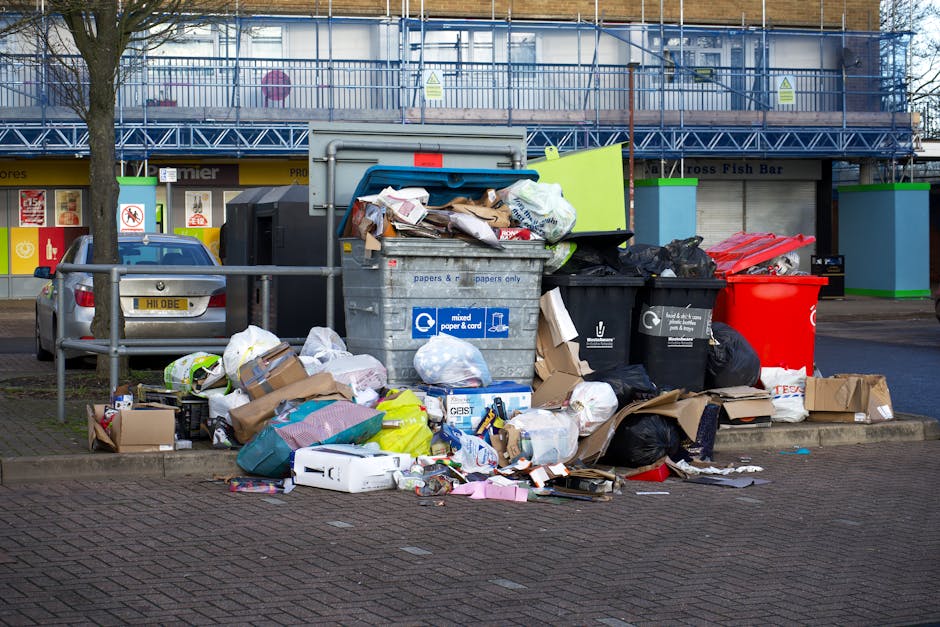
Why Vauxhall flats rubbish clearance SE11 access tips Matters
Flats in Vauxhall and the wider SE11 area often come with access quirks that do not show up on a quick photo. A corridor may be narrow. A stair landing may be too tight for a wardrobe. The lift may exist, but it may be small, slow, or shared with neighbours who are also heading out at the same time. Then there is the street side: limited stopping space, controlled parking, delivery traffic, bins, and pedestrians. All of this changes how a clearance should be planned.
Access tips matter because they reduce friction. That sounds obvious, but in practice it means fewer repeated trips, less time spent carrying heavy items, less risk of damage to communal areas, and less chance of a job overrunning. If you are coordinating a clearance around work, a lease-end deadline, or a flat sale, small delays can snowball. One missing key, one unmentioned service lift, one resident-only bay that was not flagged in time, and the whole day feels longer. Been there? Most local teams have, to be fair.
There is also a neighbourly side to this. In apartment blocks, one person's clearance can quickly become everyone's inconvenience if hallways are blocked or noise drags on too long. Good planning helps keep things courteous. That matters in dense buildings, especially where residents know each other by sight and a cardboard box moved at the wrong time gets noticed instantly.
If you are dealing with a larger flat or a property that needs a full reset, it may be worth looking at dedicated house clearance in Lambeth or, for household items only, furniture disposal in Lambeth. Those services can often be adapted to flat access conditions rather than treating every property like a ground-floor house.
How Vauxhall flats rubbish clearance SE11 access tips Works
The process is simpler when you think in stages. First comes access planning. Then comes item sorting. Then loading, removal, and final disposal or recycling. The access piece sits at the centre of the whole operation, because it determines how quickly the team can move and what equipment they will need.
In a flat setting, a few access details usually make the biggest difference:
- Entrance type: Is it a shared front door, gated courtyard, side passage, or concierge-managed block?
- Vertical access: Stair-only, lift access, service lift, or a mixture of all three?
- Carry distance: How far is it from the flat to the vehicle?
- Parking and stopping: Can a vehicle load nearby, or will items need to be carried farther?
- Time restrictions: Are there quiet hours, concierge slots, or resident rules to respect?
- Waste type: General rubbish, bulky furniture, builders waste, or mixed items?
The better you answer those questions in advance, the smoother the clearance becomes. A single sentence like "third floor, no lift, narrow stairwell, loading by rear access only" can save a lot of guessing. It also helps avoid underestimating the time needed. And let's face it, nobody enjoys a surprise when a sofa meets a stair turn and refuses to budge.
For jobs involving post-refurbishment debris or packaging, the right route may be a dedicated builders waste disposal service in Lambeth. If the rubbish is more general household clutter, a broader waste clearance in Lambeth approach may be the cleaner fit.
Key Benefits and Practical Advantages
Access planning does more than save time. It makes the clearance safer, calmer, and usually more cost-effective. That is the short version. The longer version is worth unpacking.
- Less disruption: Good planning reduces hallway congestion and avoids unnecessary back-and-forth.
- Lower damage risk: Measured lifting and the right route reduce knocks to walls, paintwork, banisters, and lifts.
- Better value: When the access details are clear, quotes are often more accurate and fewer "extra time" complications arise.
- Faster turnaround: Helpful when you are between tenancies, preparing a sale, or trying to meet a move-out deadline.
- Cleaner sorting: A clear loading plan can make it easier to separate reusable items, recyclables, and general waste.
- Better neighbour relations: Small consideration goes a long way in shared buildings.
There is another benefit people sometimes miss: confidence. If you know the route, the parking, and the building rules, you stop second-guessing the whole day. That helps. A lot. You are not standing by the window wondering whether a van can stop outside for long enough to shift a bed base without blocking the road. You already know.
If sustainability matters to you, it is worth pairing the job with a clearer recycling plan. The recycling and sustainability page explains the service approach in plain terms and is especially relevant when you are clearing a flat full of mixed materials rather than one neat pile of rubbish.
Who This Is For and When It Makes Sense
This kind of clearance planning is useful for a wide mix of people. You do not need to be moving out of a huge property to benefit from it. In fact, flats often need more careful access thinking than houses because the building shape gets in the way.
You will probably find this useful if you are:
- leaving a rented flat and need to hand it back tidy
- selling a property and want it presentable for viewings or completion
- clearing a flat after a tenancy or refurbishment
- managing a probate clearance and handling contents with care
- refreshing a small home office, spare room, or storage-heavy studio
- dealing with bulky items that cannot be carried alone
- helping a relative downsize from a top-floor apartment
It also makes sense when access is the main barrier rather than the volume of rubbish. A single heavy wardrobe from a fifth-floor block can be more awkward than several bags from a ground-floor maisonette. That is the bit people underestimate.
For residents wanting broader local context, the article on living in Lambeth from a resident perspective gives a helpful sense of day-to-day realities in the area. And if you are trying to align clearance with a property transaction, the guide on selling property efficiently in Lambeth shows how a tidy, accessible flat can support a smoother sale.
Step-by-Step Guidance
Here is a practical way to handle a flat clearance in SE11 without turning it into a mini crisis.
- Walk the route first. Start at the flat door and follow the full path to the street or loading area. Look for tight corners, low ceilings, wet mats, fire doors, and anything that might snag a bulky item.
- Measure the awkward items. Sofas, mattresses, wardrobes, desks, and bed frames are the usual troublemakers. If it looks tight, assume it is tight.
- Check lift details. Is the lift usable for furniture? Is there a weight limit, a booking rule, or a size restriction? Some lifts are fine for boxes but not for a three-seater sofa that seems to have grown overnight.
- Confirm parking and unloading. Decide where the vehicle can safely stop. If the building has no clear loading bay, plan for a longer carry and more time.
- Separate what is staying, going, and maybe going. Keep your "not sure" pile small. It slows everything down if it is mixed into the main clearance area.
- Protect communal areas. Use blankets, cardboard, or covers where needed. Even one careful trip can spare a lot of bother.
- Choose the right service type. General waste, furniture-only removal, loft clearances, and builders waste all need slightly different handling.
- Schedule at the least disruptive time. Mid-morning on a weekday often works well, but building rules matter more than habit.
- Have access ready on the day. Keys, fobs, concierge contact details, and any booking confirmation should be easy to hand.
- Do a final sweep. Check cupboards, balconies, utility cupboards, and behind doors. The last overlooked bag is the one that always seems to hide until the van is nearly gone.
For a flat with mixed household clutter, the rubbish collection in Lambeth page may be the simplest route. If the property also has attic storage, the loft clearance service is worth considering too, because loft items are rarely as light as they look from below.
Expert Tips for Better Results
These are the sorts of details that make a real difference on the day.
- Photograph the access points. A few clear photos of the hallway, stair turn, lift, and parking area can help avoid confusion before the team arrives.
- Keep the route uncluttered. Shoes, plant pots, recycling bags, and folded buggies all create little snags that add up.
- Label bulky items early. "Keep", "remove", and "fragile" labels save time and reduce mistakes.
- Plan for noise. Metal legs on a stair edge, a bin lid closing, or a furniture dolly rolling over paving slabs can sound louder than expected in a block.
- Check for lifts and concierge windows. In some buildings, the difference between a good day and an annoying one is simply booking within the right ten-minute slot.
- Ask about fragile common areas. Glass doors, polished corridors, and freshly painted halls need extra care. Small damage claims are not worth the stress.
One overlooked tip: think about the weather. A rainy London morning can make entrances slippery, especially in older blocks or around side access points. That sounds minor, but it matters. Wet flooring slows everything down and increases the risk of slipping while carrying something bulky and awkward. A little patience saves a headache later.
If the clearance is connected to letting, ownership changes, or preparing a flat for occupation, you may find the local property guides useful too, including mastering real estate purchases in Lambeth and the nearby-location article on rubbish clearance in SE11 near Lambeth Palace.

Common Mistakes to Avoid
Most clearance problems are not dramatic. They are just avoidable. That is the annoying part.
- Ignoring building rules: A lift booking, loading restriction, or concierge requirement can derail the schedule.
- Underestimating carrying distance: "The van is just outside" is not always true in practice.
- Forgetting stair turns: Straight measurements are not enough. Corners matter.
- Leaving access questions until the day before: By then, a small issue can become the main event.
- Mixing keep and remove items: It slows sorting and increases the chance of errors.
- Assuming all rubbish is handled the same way: Furniture, general waste, and builders debris are not always collected in identical ways.
- Blocking shared spaces: Even temporarily, this can upset neighbours and make the route unsafe.
A common one is overfilling bags because it feels efficient. In a flat, heavy bags are a problem. They are slower to carry, more likely to split, and harder to lift through a narrow stairwell. Better to use more manageable loads and make a few extra trips than to create a back strain and a trail of debris.
Tools, Resources and Recommendations
You do not need specialist equipment for every clearance, but a few basics help a lot. A tape measure is surprisingly valuable. So are gloves, sturdy sacks, door wedges, protective covers, and a phone camera for route photos. If you are sorting things yourself before the team arrives, a marker pen and labels are worth their weight in gold.
Useful things to prepare include:
- a quick room-by-room inventory
- photos of stairwells, lifts, and parking areas
- any concierge or block access instructions
- details of items that may need special handling
- a simple list of what must stay in the property
If your flat contains a lot of furniture, the dedicated furniture disposal service is often the most direct option. For smaller or mixed jobs, the broader rubbish collection service may be enough. And if you want to understand the business itself before booking, the about us page is useful background.
There is also a practical trust angle. If you are booking a team to work in a shared building, it helps to know they take insurance and safety seriously, especially when handling heavy items in narrow spaces. That kind of reassurance is not flashy, but it matters.
Law, Compliance, Standards, or Best Practice
Flat clearances are not just about speed. They also need to fit normal UK waste handling expectations and building etiquette. You do not need to become a legal expert, but a few common-sense standards apply.
Duty of care: Waste should be handled responsibly, transferred to the right place, and not abandoned in communal areas. If a clearance includes mixed materials, they should be sorted and managed in a sensible way.
Access permissions: In blocks with concierge desks, gated courtyards, resident parking, or service lifts, make sure you have the right permission before the day. A valid booking or authorised access route can save a lot of awkwardness.
Neighbour consideration: This is not a written law in the same way as waste handling, but it is a genuine best practice. Keep noise reasonable, avoid blocking entries, and leave shared spaces clean.
Safety first: Heavy lifting, tight corners, and stairs can be risky. If an item looks awkward or may be too heavy for one person, it probably is. That old chest of drawers might seem harmless until you meet the second-floor turn.
Special waste caution: Some items need careful handling or separate treatment. If you are unsure whether something can go with general rubbish, ask before moving it. Guessing is a bad plan here. Really bad, sometimes.
For a service provider's operational standards and booking expectations, the pages on terms and conditions, payment and security, and privacy policy are all worth a quick look. They help you understand what happens with your booking, your information, and the practical side of the service.
Options, Methods, or Comparison Table
There is more than one way to handle clearance in a Vauxhall flat. The best choice depends on volume, access, urgency, and how much you want to do yourself.
| Option | Best for | Pros | Watch-outs |
|---|---|---|---|
| Self-clearance | Small loads, easy access, flexible timing | Budget-friendly, full control | Labour-heavy, parking and lifting can be awkward |
| Shared van hire with helpers | Moderate volumes, organised households | Useful if you already have people to help | Still requires route planning, disposal responsibility remains with you |
| Professional flat clearance | Stairs, bulky items, time pressure, mixed waste | Efficient, safer, less stress | Usually costs more than doing it yourself |
| Item-specific removal | One or two large items like sofas or beds | Simple, targeted, often quick | Not ideal if the flat also contains lots of smaller clutter |
For most SE11 flat situations with stairs, narrow hallways, or limited loading space, professional clearance is often the most practical route. Self-clearance can work if the job is light and access is kind, but city flats rarely stay kind for long. They have opinions of their own, frankly.
Case Study or Real-World Example
Picture a top-floor flat in Vauxhall with no lift, a narrow landing, and one large wardrobe that has clearly lived a long and stubborn life. Add a few bags of mixed household items, a mattress, and a tight street outside where stopping is possible but only briefly. It is the sort of setup that looks manageable until the second item is halfway down the stairs.
In a case like this, the most useful decision is usually to map the access before anything is moved. The team checks the stair turns, measures the wardrobe against the available width, identifies where the vehicle can stop, and decides whether the wardrobe should be dismantled first. Small prep steps can transform the job. Instead of improvising on the landing, the process becomes steady and predictable.
What tends to help most is clear communication. The resident knows where the keys are, which items are staying, and whether the lift is out of use. The crew knows the route, the likely bottleneck, and the best order for loading. It sounds basic, but that is the point. Good clearances are usually built on very ordinary decisions done properly.
For properties moving through sale or handover, a tidy flat can make a noticeable difference to how the space feels. Even before decoration or deep cleaning, a cleared room looks larger, lighter, and less stressful. If you are in that stage, you might also find the local article on the character of Lambeth and its neighbourhoods a helpful reminder that these homes are part of a very lived-in, very active part of London. They deserve a careful approach.
Practical Checklist
Use this before your clearance day. It keeps the little things from becoming big ones.
- Confirm flat number, entry code, and any concierge instructions
- Check whether the lift is usable for bulky items
- Measure stair widths, turns, and door openings
- Identify the closest safe loading point
- Separate items to keep, donate, recycle, or remove
- Clear hallways, entrances, and the immediate route out of the flat
- Protect floors, walls, and corners if needed
- Make sure keys and access fobs are ready
- Flag heavy, fragile, or awkward items in advance
- Review parking or stopping restrictions for the day
- Check whether any items need special handling
- Do a final room-by-room sweep before the team leaves
That list may look simple, but simple is good. Simple is what keeps a job moving when the lift is slow and somebody else's parcel delivery is waiting in the lobby.
Conclusion
Good flat clearance in SE11 is rarely about brute force. It is about access, planning, and a calm sequence of sensible steps. If you get the route right, the rest becomes much easier. That is especially true in Vauxhall, where shared spaces, parking pressure, and tight layouts can turn a routine job into a tricky one very quickly.
The best Vauxhall flats rubbish clearance SE11 access tips are usually the practical ones: measure before you move, plan the loading point, check the building rules, and keep the shared areas clear. Do that, and even a top-floor flat with awkward furniture starts to feel manageable. Not effortless, perhaps, but manageable. Which is a win in London.
Get a free quote today and see how much you can save.
If you are ready to take the next step, start with the service details, review the access notes you can share, and choose the clearance option that fits your building rather than fighting it. A little preparation goes a long way, and honestly, it makes the whole day feel lighter.
 Tipper Van - Rubbish Removal and Waste Clearance Prices in Lambeth, SW9
 Luton Van - Rubbish Removal and Waste Clearance Prices in Lambeth, SW9

